







Search Results for: medium-roast coffee beans

Brewing Guide for Medium-Dark Roasted Coffee Beans: How to Extract a Balanced and Full-Bodied Flavor
Many coffee enthusiasts hope to drink a cup of coffee that is neither too sour nor too bitter, pursuing a balanced flavor and a rich, mellow mouthfeel. Medium-roast coffee beans happen to strike a balance between sweetness and acidity while offering a full-bodied mouthfeel, but brewing them well is no simple task. Starting from Front Street's growing experience and combining the characteristics of "Front Street 2013," a medium-roast Yunnan Typica bean, this article provides a detailed analysis of key parameters such as dripper selection, grind adjustment, and water temperature control, along with a complete brewing demonstration to help you easily make a cup of rich, aromatic, well-layered medium-roast coffee. [more…]
Recommended medium-roast coffee beans for espresso machines: balancing budget and drinking frequency
When it comes to medium-roast coffee beans for espresso machines, first think about how you plan to drink them every day. For everyday bean buying, you need to consider how quickly you'll go through them, how much to buy at a time, and whether you mainly make black coffee or milk coffee at home. If you mainly drink black coffee, you can pay more attention to aroma and aftertaste; if you often add milk, then consider whether the intensity and body can hold up. [more…]
Recommending several medium-roast coffee beans suitable for pour-over: balancing budget and drinking frequency
From bean to cup, a coffee must still go through grinding and extraction. When choosing medium-roast coffee beans suited to pour-over, your daily buying decisions should take into account how quickly you drink it, how much to buy at a time, and whether you mainly make black coffee or milk coffee at home. First confirm your usual brewing equipment and preferred taste, then compare specific beans—this will make the actual process much more [more…]
How to Choose Medium-Roast Beans for Espresso Machines: A Flavor Guide from Sweet-Tart to Rich and Mellow
Medium-roast coffee beans put into an espresso machine usually achieve a good balance between aroma, sweetness, and mouthfeel. They retain a certain fruit acidity and regional character, while also having enough soluble solids to support the thickness of the espresso; made into an Americano, it won't be too thin, and after adding milk, it can still leave the taste of the coffee itself, making it suitable for home [more…]
The Flavor Timeline of Medium-Roast Espresso Beans: Degassing and the Flavor Rhythm After Opening the Bag
When medium-roast coffee beans enter an espresso machine, the release of carbon dioxide inside the beans and the maturation level of aromatic compounds directly affect the crema state and sweetness expression of the espresso. Freshly roasted coffee beans contain a lot of gas internally, and when heated during extraction they tend to form irregular bubbles, affecting how evenly hot water penetrates the coffee bed, [more…]
How to Choose Medium-Roast Coffee Beans for Pour-Over: Three Styles from Fruity to Sweet
Medium-roast coffee beans are well suited to pour-over because they strike a good balance between aroma, sweetness, and body. They don't emphasize the bright acidity and fragrance of light roasts, nor do they put the roasty notes front and center like dark roasts. Once brewed with hot water, the cup retains the character of its origin while offering a rounder texture, making it a good choice for breakfast or the afternoon. [more…]
The Flavor Window and Brewing Rhythm of Medium-Roast Coffee Beans: From Degassing to Opening and Storage
Freshly roasted coffee beans are rich in carbon dioxide internally. Under the heat of a medium roast, a loose, porous structure forms, and these gases are gradually released over the following days. If you grind and brew the beans immediately after getting them, the vigorous bubbling of gas will hinder full contact between the water and the coffee grounds, leading to uneven extraction. [more…]
When to Start Drinking Medium-Roast Pour-Over Beans: A Flavor Calendar After Roast Date
The aroma of medium-roast pour-over beans isn't fully developed the moment they come out of the roaster. After roasting, the beans continue to release carbon dioxide, and the volatile aromatics are still re-integrating; if you brew too early, the coffee bed puffs up noticeably, water tends to channel around it, and the cup may have a soaring aroma but sweetness that hasn't come together yet. So when choosing beans, you should check the roast date, and also give them time to [more…]
Medium-Roast Coffee Beans for Home Espresso Machines | Can Medium-Roast Beans Make Espresso? Which Single-Origin Beans Suit Espresso Machines?
For more specialty coffee knowledge, please follow: Front Street Coffee (Frontsteet Coffee) Is making pour-over coffee too tedious and troublesome? Then is there a convenient way to enjoy coffee similar to pour-over? Of course there is—Front Street recommends using an American-style drip coffee maker. Many people, upon hearing about Ame [more…]
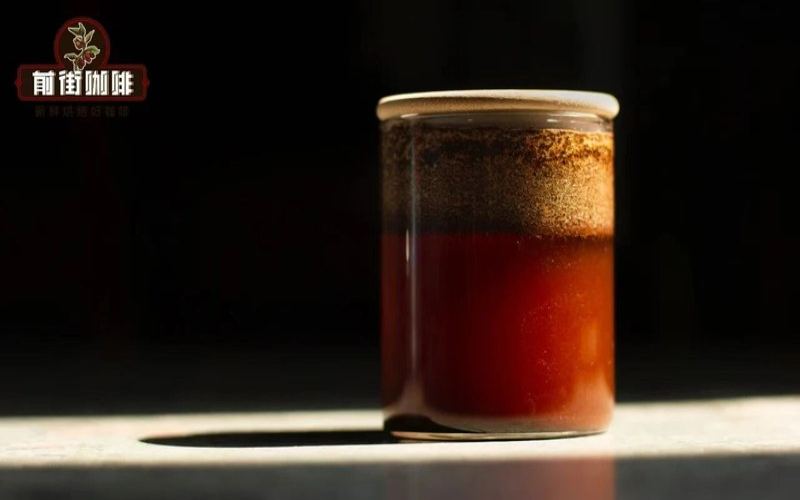
The drinking rhythm of Italian-style medium-roast beans from roast date to opening the bag
The aroma of medium-roast espresso beans doesn't fully unfold on the very day they're roasted. The beans are still steadily releasing carbon dioxide, and if you put them into the espresso machine too early, the puck is easily disturbed by the gas; the crema may look rich, but the cup can taste tight and disjointed, with a sweetness that doesn't come together coherently. Treating the roast date as the starting point for the flavor clock matters more than just watching the expiration date. [more…]
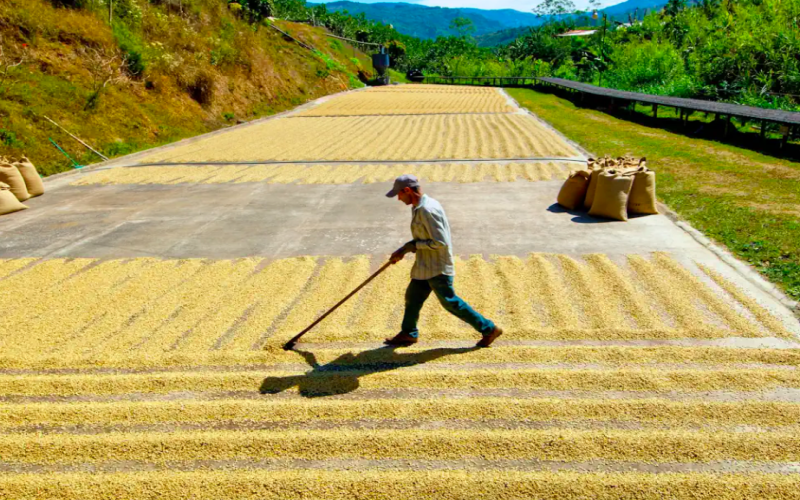
A Complete Guide to the Washed Coffee Bean Process and Top Picks for Medium-Roast Washed Beans
In the world of specialty coffee, washed and natural processing stand as the two mainstream methods. If you want to taste the truest flavor of coffee beans, the washed method is often the first choice. This article will take you through a complete understanding of the washed processing steps—from flotation, depulping, and fermentation to remove mucilage, to drying and hulling—and explain how this process reduces sugar content and increases organic acid levels, shaping a clean, bright coffee character with vibrant fruit acidity. At the same time, we have selected three Front Street Coffee washed medium-roast beans worth trying: the elegantly fruity Ding Ding, the sweet-and-tart Kenya Little Tomato, and the rich, sweet Colombian Huila, suitable for pour-over, cold brew, espresso, and other brewing methods, catering to different taste preferences. [more…]
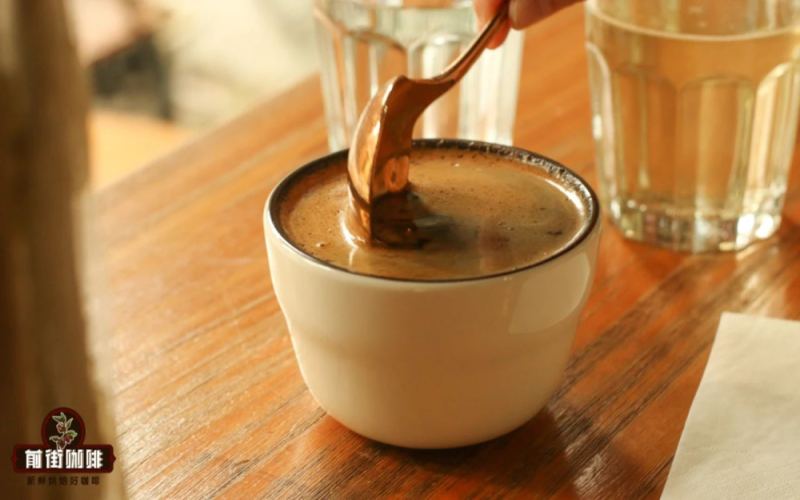
Balanced Hand-Drip Coffee Bean Recommendations: Medium-Roast Single-Origin and Blends That Are Neither Sour Nor Bitter
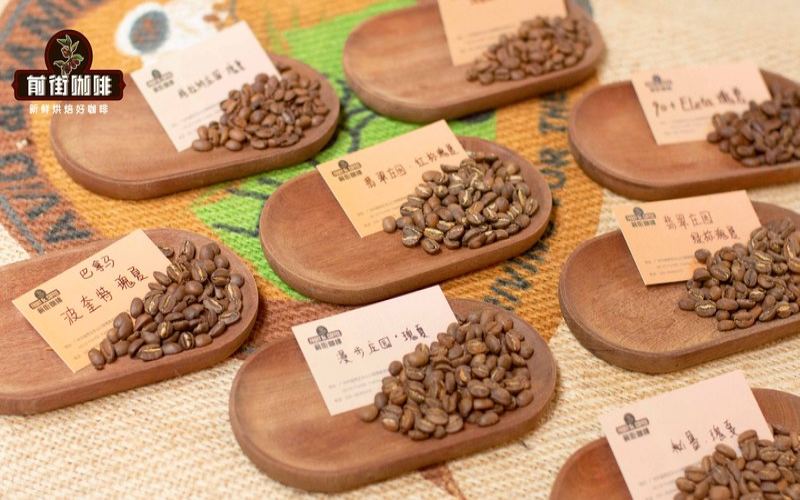
For many coffee lovers, an ideal pour-over coffee should possess a harmonious balance of acidity, sweetness, and bitterness, rather than any single flavor being too dominant. So how do you select a truly balanced option—neither too acidic nor too bitter—from a dazzling array of coffee beans? This article will start with the concept of "balance" in cupping, analyze the relationship between roast level and flavor expression, and focus on recommending several medium-roast beans from Front Street Coffee, including Brazil Queen's Estate Yellow Bourbon, Costa Rica Tarrazu, Papua New Guinea Bird of Paradise, and Strawberry Candy Blend. Whether you are a beginner just starting out or a user looking for cost-effective everyday beans, these coffees can deliver a smooth, balanced brewing experience. [more…]

How to Choose Between Espresso Blends and SOE: Judging Flavor and Brewing Method by Roast Level
When comparing espresso blends and SOEs side by side, you can't just look at the labels "blend" or "single origin"—the roast level often determines the character of the cup more quickly. Also used for espresso machines, a light roast tends toward bright fruit acidity, a medium roast emphasizes sweetness and balance, and a dark roast brings cocoa, nuts, and a fuller mouthfeel. [more…]
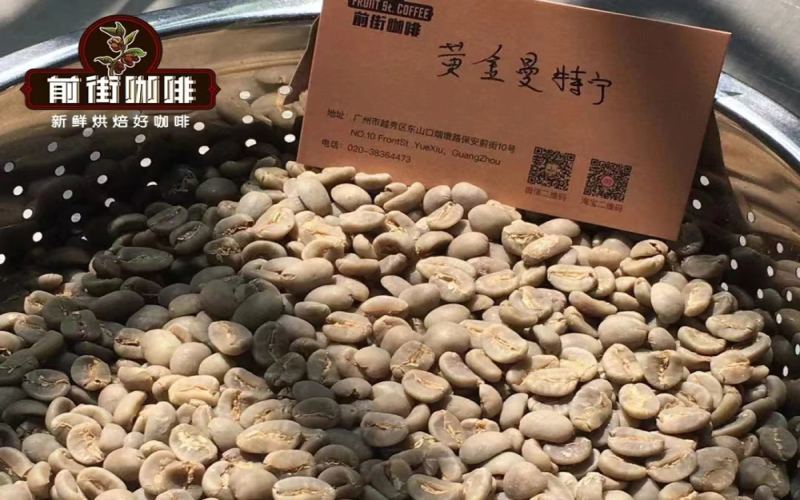
Which coffee roast level is more suitable for beginners? Flavor characteristics of medium-roast coffee beans and six Front Street Coffee bean recommendations
Green coffee beans must be roasted before they can be ground and extracted, and the degree of roasting directly influences the final flavor profile. The three common roast levels on the market—light, medium, and dark—each have their own characteristics: light roasts have bright acidity and fresh fruity notes, dark roasts are rich and intense with prominent smoky, charred aromas, while medium roasts fall somewhere in between, balancing acidity and bitterness with a mellow mouthfeel. They are the most friendly to coffee beginners and also work well with a variety of brewing devices such as pour-over, French press, moka pot, and espresso machine. This article, after outlining the differences among the three roast levels, focuses on introducing six Front Street Coffee medium-roast coffee beans suitable for beginners to try, covering Costa Rica Blackberry, Colombia Sidra, Costa Rica Mozart, PNG Bird of Paradise, 2013 Yunnan Typica, and Honduras Washed Catuai, explaining each one's flavor performance and processing method. [more…]
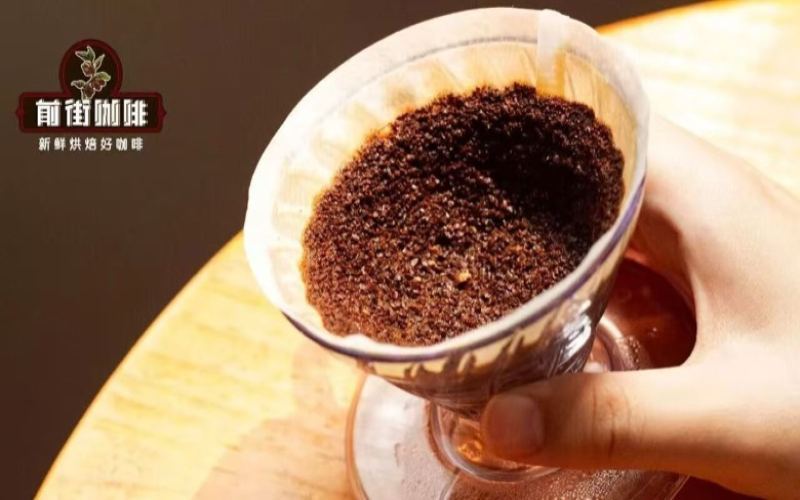
How to Choose Several Medium-Roast Coffee Beans Suitable for Pour-Over: How Different Roast Levels Change the Cup
The roast level changes a coffee bean's flavor focus and extraction rhythm. Light roasts usually retain more floral and fruity notes and bright acidity, medium roasts tend to show sweetness and balance, while dark roasts lean toward nutty, cocoa, and full-bodied flavors. None is superior to another; the key is whether it matches how you brew and drink it. Pour-over flavor is mainly determined by origin, varie [more…]
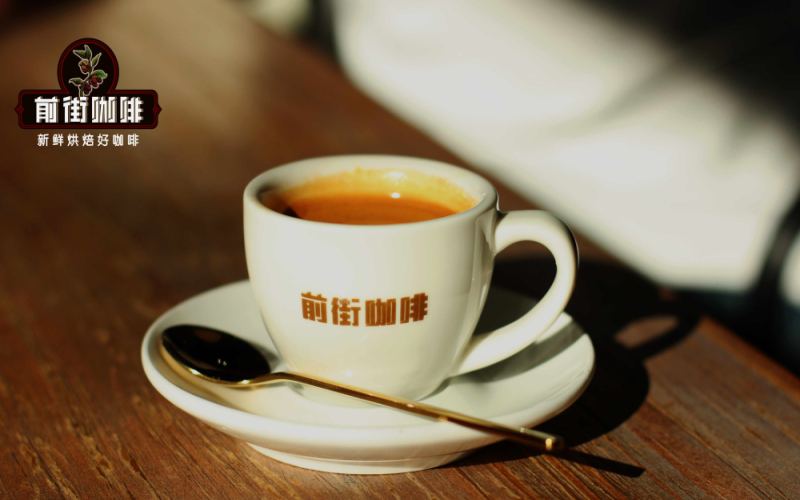
Analysis of the Flavor Characteristics of Medium-Roast Espresso Beans, and Why Espresso Blends Are Chosen for Making Espresso
To make an espresso that balances acidity, sweetness, and bitterness with a full-bodied mouthfeel, choosing the right beans is a key step. Single-origin coffee beans, while excelling in pour-over brewing, often struggle to meet espresso's demand for complexity, so blended beans become the top choice for most roasters. This article will start with the definition and characteristics of Italian-style blended beans, analyze the differences between the two processes of raw blending and roasted blending, and combine several classic blend products from Front Street Coffee to help you understand the taste characteristics of medium-roast Italian-style beans, and why Italian-style blended coffee beans should be chosen for making espresso. [more…]
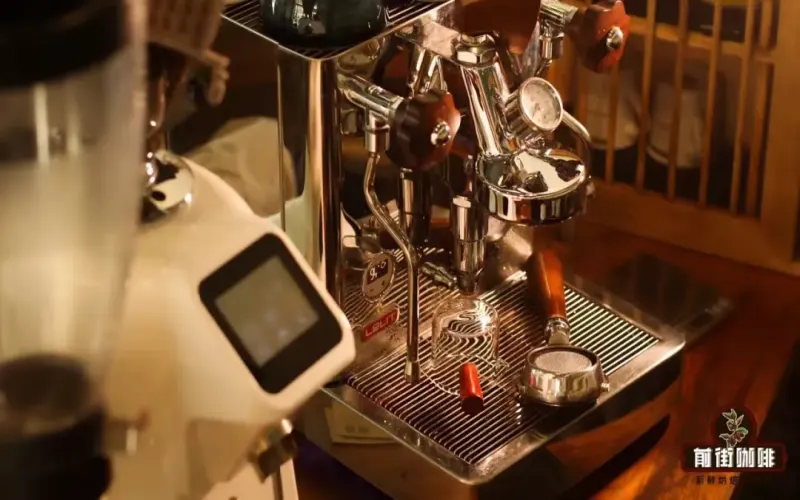
Types of Espresso Machines | What Is the Extraction Principle of an Espresso Machine? Recommended Beginner-Friendly Medium-Roast Espresso Blend Coffee Beans for Espresso Extraction
Espresso machines have an internal boiler design to facilitate the production of hot water. Then, near-boiling high-pressure hot water passes through a finely ground, evenly tamped puck of coffee to make a beverage of about 30 ml, with a rich flavor and a layer of dense crema. Espresso machines on the market [more…]
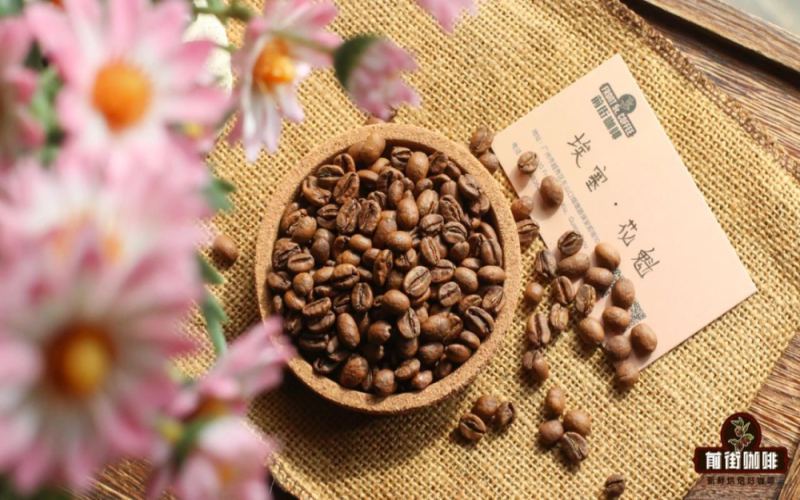
Ethiopian Sidamo Natural Huakui Coffee Bean Analysis: Can Medium-Roast Huakui Handle Moka Pot SOE?
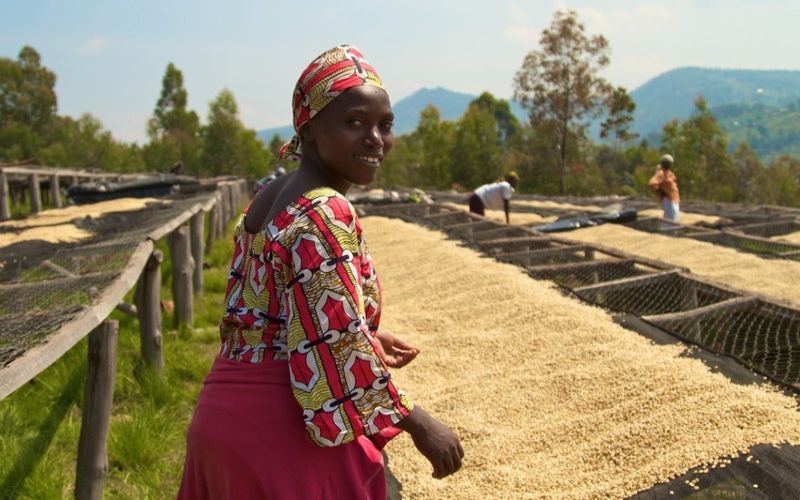
Huakui coffee is a highly distinctive single-origin natural bean from Ethiopia, and with its explosive aroma and sweetness it once took first place in the natural category in the 2017 harvest season. It is produced in Hambela, in the Guji region, picked from all-red cherries, sun-dried on African raised beds, and fermented at low temperature for 21 days, so that when brewed its wine-like notes interweave with floral aromas. Front Street Coffee's natural Huakui G1 is freshly roasted and affordably priced, and its medium-roast version is just right for making SOE with a moka pot or an espresso machine. This article explains Huakui's background and flavor characteristics in detail, and demonstrates step by step the entire process of making a Huakui latte with a moka pot, from filling the basket and heating to steaming milk and pouring latte art, helping enthusiasts recreate a cup of high-sweetness espresso at home. [more…]
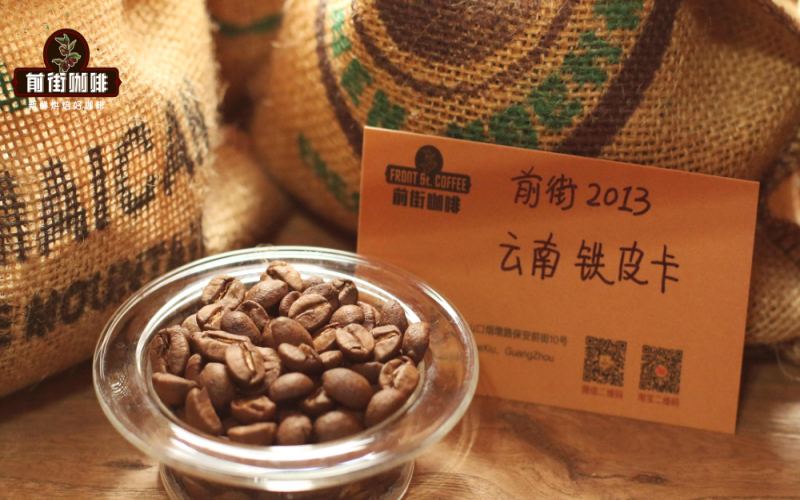
What variety is Yunnan small-bean coffee? Flavor profile of medium-roast espresso blends and recommendations for beginners
Yunnan coffee has gradually come into the public eye in recent years. Many people have heard it called "small-bean coffee," but may not be clear about what this name actually means. In fact, "small bean" refers to the Arabica species, and thanks to its exceptional geographical conditions, Yunnan has become a representative producing region for specialty coffee in China. This article will start with the varietal definition of small-bean coffee, sort out the flavor characteristics of Yunnan coffee, and, centering on the idea of medium-roast espresso blends, introduce the performance of Front Street Yunnan Small-Bean Everyday Beans and the Front Street Dark Cocoa Blend, helping enthusiasts who are new to Yunnan beans find a suitable starting point. [more…]
From Light to Dark Roast: What's the Difference Between Blends and SOE?
There is no fixed answer as to whether blended beans or SOE taste better; what truly creates the gap is often the roast level. Blended beans can be light-roasted, medium-roasted, or dark-roasted, and the same goes for SOE; the former emphasizes the harmony of multiple beans, while the latter highlights the character of a single origin or lot. Look at the roast direction first, then decide what you want. [more…]